When it comes to industrial projects, picking the right fasteners really makes a difference in how durable and effective everything turns out to be. Lately, Cold Forged Fasteners have become a go-to choice for many engineers and manufacturers. They're known for their incredible strength and precision — stuff that really matters in tough applications. As industry expert John Smith put it, "Cold Forged Fasteners not only last longer but also help make manufacturing more efficient." That kind of says it all, right? It’s clear these fasteners are becoming more popular because they meet the high standards the industry demands.
But honestly, the benefits go well beyond just being strong. Cold Forged Fasteners are super accurate in size and help cut down on material waste, which is good for the environment too. As the industry keeps pushing for better quality and efficiency, using these fasteners is starting to feel like a must. By switching to them, businesses can really step up the quality and dependability of their products, making everything run smoother and perform better in the long run.
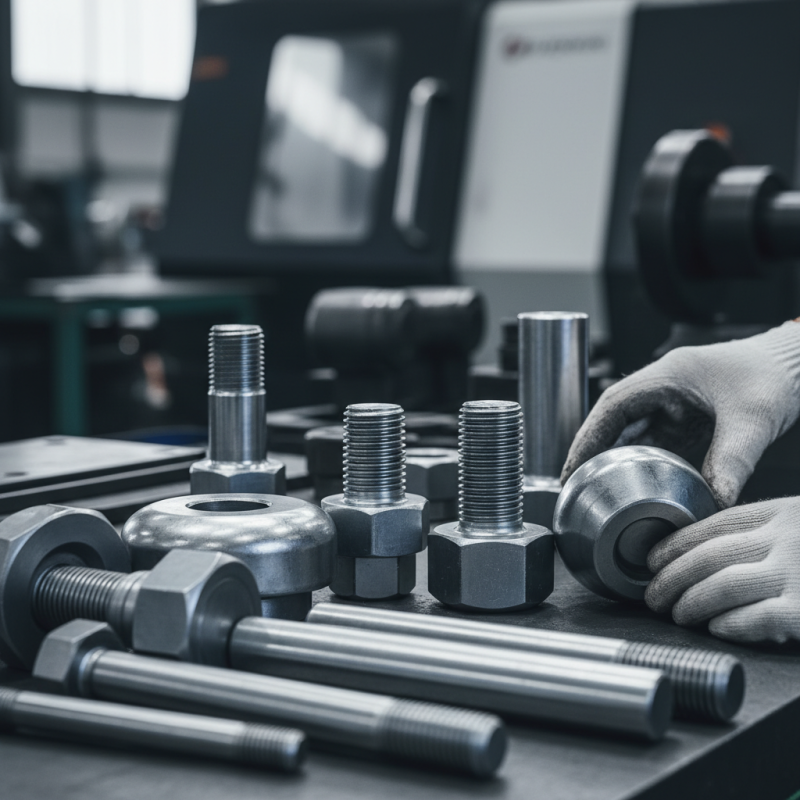
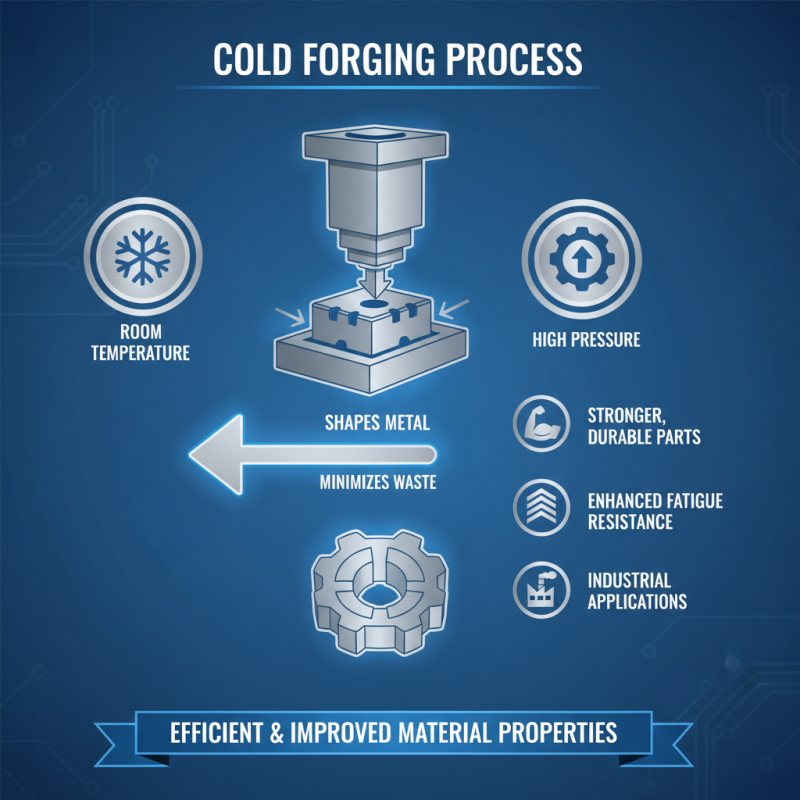
Cold Forging is a manufacturing process that involves shaping metal at room temperature, which enhances the material's properties while minimizing waste. During this process, metal is subjected to high pressure, causing it to flow into the desired shape without the need for heating. This technique is not only efficient but also results in parts that are stronger and more durable, making it particularly beneficial for industrial applications. The immense pressure applied during cold forging improves the material's grain structure, leading to enhanced fatigue resistance and overall strength.
One of the significant advantages of cold forged fasteners is their ability to achieve precise tolerances and complex geometries. As the material is formed into shape under pressure, it can be more consistent in dimensions than those produced through traditional machining or casting methods. This accuracy results in parts that fit better, reducing the risk of failure in critical applications. Additionally, cold forging typically requires less finishing work and fewer secondary operations, ultimately streamlining the production process and reducing costs for industrial projects. Furthermore, the enhanced mechanical performance of cold forged components contributes to longer service life and higher reliability in demanding environments.
Cold forged fasteners have rapidly gained recognition in the industrial sector due to their superior performance characteristics. One key characteristic is their heightened strength and durability, which stems from the cold forging process that aligns the grain structure of the metal. According to a report from the Industrial Fasteners Institute, cold forged components can exhibit a tensile strength that is 30% higher than that of those made through traditional manufacturing methods. This increased strength translates into improved resistance to shear forces, making cold forged fasteners ideal for high-stress applications in various industries.
Another significant characteristic of cold forged fasteners is their ability to be produced with precise tolerances. This precision is vital in applications where uniformity and reliability are critical, such as automotive and aerospace manufacturing. The use of advanced CNC machinery in the cold forging process often results in tighter tolerances, reducing the likelihood of component failure. As highlighted in a survey conducted by the Society of Manufacturing Engineers, 85% of manufacturers reported a reduction in assembly issues when utilizing cold forged fasteners, primarily due to their consistent quality. This precision, coupled with their competitive lead times, establishes cold forged fasteners as a preferred choice in many industrial projects.
Cold forged fasteners offer several advantages that are particularly beneficial for industrial applications. One of the primary benefits is their superior strength-to-weight ratio. According to a report by the American Society of Mechanical Engineers, cold forging can increase the tensile strength of steel parts by up to 30% compared to parts made through traditional manufacturing methods. This means that components are not only lighter but also possess enhanced durability, making them ideal for use in demanding environments such as aerospace, automotive, and construction sectors.
In addition to strength, cold forged fasteners exhibit excellent resistance to fatigue and stress, leading to longer service life and reduced maintenance costs. Data from the Society of Manufacturing Engineers indicates that using cold forged fasteners can decrease the failure rate of mechanical assemblies by as much as 50%. This reliability is critical for industries where safety and performance are paramount, ensuring that machinery and structures remain operational under heavy loads and cyclic conditions. The process also results in minimal waste and lower energy consumption, aligning with the growing emphasis on sustainability in industrial practices.
Cold forged fasteners present a highly cost-effective solution for industrial projects when compared to other manufacturing methods. The cold forging process involves shaping metal at room temperature, which not only enhances the structural integrity of the fasteners but also significantly reduces production costs. By eliminating the need for extensive machining processes, companies can save on labor and material expenses. This efficiency in production translates to lower prices for consumers without compromising quality.
Additionally, the durability of cold forged fasteners contributes to their long-term cost-effectiveness. Cold forging improves the tensile strength of the fasteners, making them less susceptible to failure under stress, which can lead to costly replacements and downtime in industrial settings. Over time, the enhanced lifespan of these fasteners can result in substantial savings on maintenance and repair costs. As a result, for industries seeking reliable and economical fastening solutions, cold forged fasteners often represent the best value in the long run.
| Benefits | Cold Forged Fasteners | Other Fastening Methods |
|---|---|---|
| Cost Effectiveness | Lower overall production costs due to reduced material waste and energy consumption. | Higher material costs and wastage associated with machining or casting processes. |
| Strength | Increased tensile strength and durability due to the alignment of the grain structure of the metal. | Generally lower strength, with potential for stress concentrations from machining. |
| Precision | High dimensional accuracy and repeatability in production. | Variability in dimensions through processes that involve cutting and machining. |
| Environmental Impact | Lower carbon footprint due to efficiency in manufacturing processes. | Higher environmental impact due to energy-intensive methods and waste production. |
| Production Speed | Rapid production times, suitable for high-volume orders. | Longer lead times due to extensive setup and machining processes. |
Cold forged fasteners have gained a significant reputation in industrial projects due to their exceptional durability and strength. The cold forging process compresses metal at room temperature, resulting in a refined grain structure that enhances the material’s mechanical properties. Reports indicate that cold forged fasteners can achieve tensile strengths upwards of 1400 MPa, making them an ideal choice for high-stress applications commonly found in manufacturing and construction sectors. This improvement in strength translates into increased resistance to fatigue and stress, ensuring long-lasting performance, which is crucial for projects where safety and reliability cannot be compromised.
In addition to strength, cold forged fasteners are renowned for their precision and minimal tolerances. This results in a better fit and finish, reducing the risk of failures caused by misalignments and ensuring optimal functionality in assembly. Industry studies suggest that utilizing cold forged components can reduce installation time by up to 30%, providing a cost-effective solution that enhances productivity without sacrificing quality.
Tips: When selecting fasteners for your industrial projects, consider the specific requirements of your application to leverage the benefits of cold forging fully. Always consult with materials engineers to ensure that your choice aligns with the load-bearing demands and environmental conditions the fasteners will face. Additionally, explore suppliers who provide detailed data on mechanical properties to inform your decision-making process and ensure you attain the best performance from your fasteners.
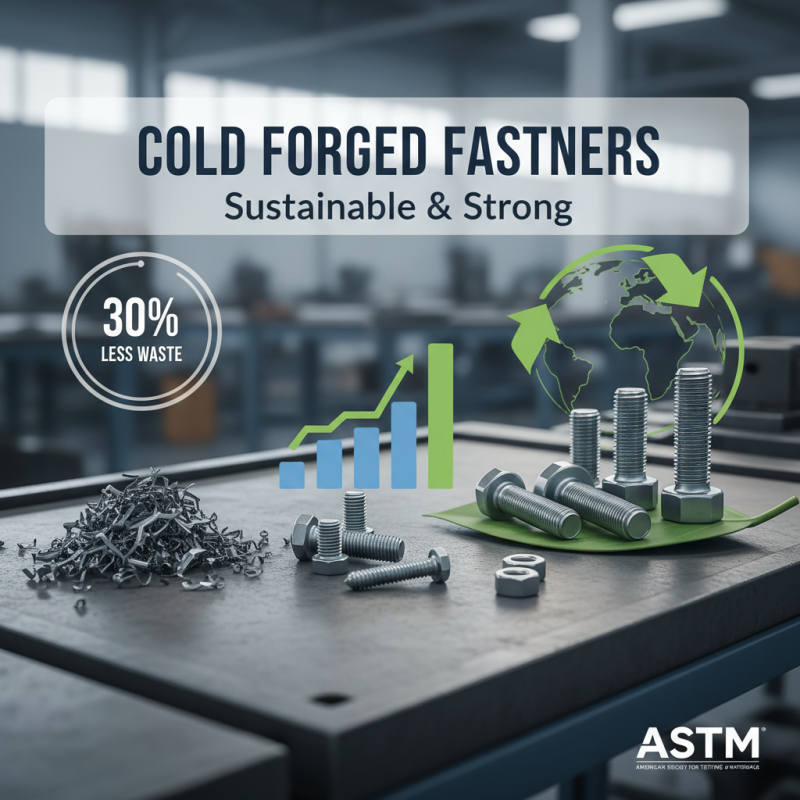
Cold forged fasteners are rapidly gaining traction in various industrial applications, not only for their mechanical properties but also for their favorable environmental impact. According to a report by the American Society for Testing and Materials (ASTM), cold forging can reduce waste by up to 30% compared to conventional machining processes. This significant reduction in material waste translates to lower resource consumption, making cold forged fasteners a more sustainable choice for manufacturers looking to minimize their environmental footprint.
Moreover, the energy consumption associated with cold forging is substantially lower than that of traditional forging methods or machining. The Department of Energy estimates that cold forging processes require up to 40% less energy, contributing to a smaller carbon footprint. Additionally, the durability and longevity of cold forged fasteners mean that they are less likely to need replacement, further reducing the environmental impact associated with production and disposal of fasteners over time. As industries strive to innovate while maintaining sustainable practices, the benefits of cold forged fasteners are becoming increasingly clear, aligning with global efforts toward greener manufacturing solutions.
Cold forged fasteners have gained popularity across various industries due to their unique advantages in enhancing performance and reliability. One of the primary sectors that benefits from these fasteners is the automotive industry. In this fast-paced environment, manufacturers require components that can withstand high levels of stress while maintaining lightweight characteristics. Cold forged fasteners are known for their exceptional strength and durability, making them ideal for critical applications in vehicle assembly and safety systems.
Another significant industry that capitalizes on cold forged fasteners is the aerospace sector. This industry demands precision and reliability due to the stringent safety standards imposed on aircraft components. Cold forging not only provides superior strength-to-weight ratios, which is crucial for fuel efficiency, but also enables the production of complex shapes without compromising integrity. As a result, cold forged fasteners play a vital role in the assembly of both commercial and military aircraft, contributing to safer and more efficient air travel.
This chart illustrates the percentage of different industries that benefit from using cold forged fasteners in their projects. The automotive industry shows the highest benefits, followed by aerospace, construction, manufacturing, and electronics.
: Cold forged fasteners exhibit heightened strength and durability, with tensile strength that can be 30% higher than traditionally manufactured fasteners. This results in improved resistance to shear forces, making them ideal for high-stress applications.
The cold forging process allows for the production of fasteners with precise tolerances, which is vital for applications requiring uniformity and reliability, such as in automotive and aerospace manufacturing. Advanced machinery used in cold forging reduces assembly issues by ensuring consistent quality.
Yes, cold forged fasteners are highly cost-effective due to the elimination of extensive machining processes, leading to savings on labor and material costs. This efficiency translates into lower prices for consumers while maintaining quality.
The enhanced durability and tensile strength of cold forged fasteners make them less susceptible to failure under stress, resulting in lower replacement and maintenance costs over time.
Cold forged fasteners are commonly used in high-stress applications across various industries, including automotive and aerospace manufacturing, due to their strength and precision.
A survey indicated that 85% of manufacturers experienced a reduction in assembly issues when utilizing cold forged fasteners, primarily due to their consistent quality.
The cold forging process aligns the grain structure of the metal, which enhances the overall strength and durability of the fasteners.
The reduced production costs allow companies to offer competitive pricing to consumers, making cold forged fasteners an attractive option for a wide range of industrial projects while ensuring high quality.
Cold Forged Fasteners offer significant advantages for industrial applications, making them an increasingly popular choice among manufacturers. Understanding cold forging, which involves shaping metal under high pressure at room temperature, reveals its key characteristics, such as improved grain structure and enhanced mechanical properties. These fasteners demonstrate superior durability and strength, which are critical for various demanding environments.
In addition to their performance benefits, cold forged fasteners present a cost-effective solution compared to traditional fastening methods, often resulting in reduced production costs and material waste. Their environmental impact is also favorable, as the cold forging process minimizes energy consumption and waste generation. Industries such as automotive, aerospace, and construction frequently leverage the benefits of cold forged fasteners, showcasing their versatility and reliability in a diverse range of applications.